
How to Dispose of Restaurant Equipment in Chicago: Grills, Fryers, Walk-Ins & Commercial Kitchen Cleanouts
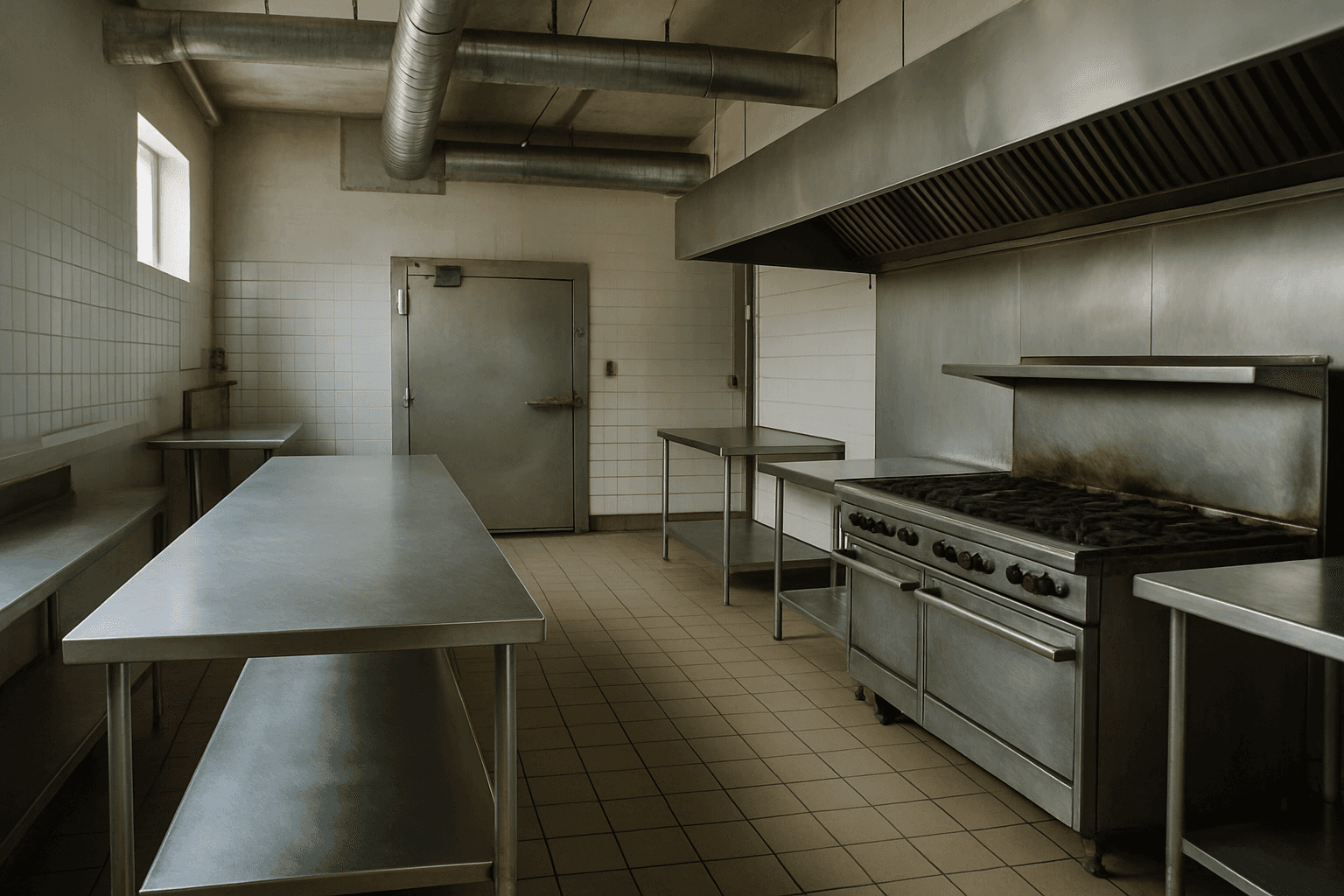
How to Dispose of Restaurant Equipment in Chicago: Grills, Fryers, Walk-Ins & Commercial Kitchen Cleanouts
When a restaurant closes, relocates, or renovates, the equipment doesn't just disappear. Commercial grills, fryers, walk-in coolers, ovens, and stainless steel prep tables are too large for curbside pickup and too valuable (or hazardous) to toss in a dumpster. Here's what property managers, restaurant operators, and contractors need to know about disposing of restaurant equipment in Chicago.
Why Restaurant Equipment Needs Special Handling
Commercial kitchen gear isn't like household appliances. It's:
Bulky and heavy — a walk-in cooler or commercial range can weigh hundreds of pounds
Refrigerant-containing — walk-ins, reach-ins, and ice machines require EPA-certified refrigerant recovery before disposal
Made of valuable materials — stainless steel, copper, and aluminum from fryers, hoods, and prep tables can be recycled
Sometimes contaminated — grease traps, fryers, and exhaust hoods may contain food waste, oil, or grease that requires cleanup before recycling
The City of Chicago does not pick up commercial equipment. If you manage a property or operate a restaurant, you need a private hauler or recycling facility that handles bulk commercial loads.
♻️ What Restaurant Equipment Can Be Recycled or Disposed Of
Accepted items (with proper prep):
Commercial ovens, ranges, and grills
Fryers (must be drained of oil)
Walk-in coolers and freezers (refrigerant must be recovered)
Reach-in refrigerators and freezers
Ice machines
Dishwashers (commercial)
Stainless steel prep tables, sinks, and shelving
Exhaust hoods (cleaned of grease)
Food warmers and steam tables
Beverage dispensers and soda machines
Not accepted (or require special handling):
Grease traps (contact a licensed grease hauler)
Propane tanks (return to supplier or take to a hazardous waste facility)
Cooking oil (contact a rendering service or cooking oil recycler)
Refrigerants (must be recovered by EPA-certified technician before disposal)
How to Prepare Equipment for Disposal
Before scheduling pickup or drop-off:
Drain all fluids — empty fryers, steam tables, and dishwashers. Remove cooking oil and grease
Disconnect utilities — gas, electric, and water lines must be capped by a licensed professional
Remove refrigerants — walk-ins, reach-ins, and ice machines require EPA-certified refrigerant recovery (your hauler may handle this)
Clean grease and food residue — exhaust hoods, fryers, and grills should be reasonably clean to avoid contaminating recyclable metal
Document serial numbers — if you're claiming a tax deduction for donated equipment, photograph serial numbers and model info
Where to Take Restaurant Equipment in Chicago
Most restaurant equipment is too large for individual drop-off. Property managers, contractors, and restaurant operators typically use:
Appliance recyclers — some facilities accept refrigerated equipment if refrigerant is already recovered. Expect fees for walk-ins and reach-ins
Private haulers — commercial waste companies can remove equipment on-site, especially for full kitchen cleanouts
For single items, call ahead. For full restaurant cleanouts, a private hauler is usually the most efficient option.
Restaurant Equipment Donation Options
If equipment is still functional, consider donation:
Local churches and community kitchens — many have commercial kitchens and welcome donations of working equipment
Ask before you promise anything: whether the organization can take large appliances at all, and whether it has a way to move them. Donations may qualify for a tax deduction — get a receipt with the organization's tax ID and document the equipment's condition.
What Happens to Recycled Restaurant Equipment
When properly processed:
Stainless steel from prep tables, sinks, and hoods is melted down and remanufactured into new steel products
Copper and aluminum from wiring, coils, and heat exchangers are separated and recycled
Refrigerants are recovered and either reused in other systems or destroyed according to EPA regulations
Compressors and motors are dismantled, with metals recycled and hazardous components (like capacitors) handled separately
Commercial kitchen equipment has significant scrap value. A typical stainless steel prep table can yield 50-100 pounds of recyclable steel.