
Is Styrofoam Recyclable? Yes, But Not Curbside (Chicago)
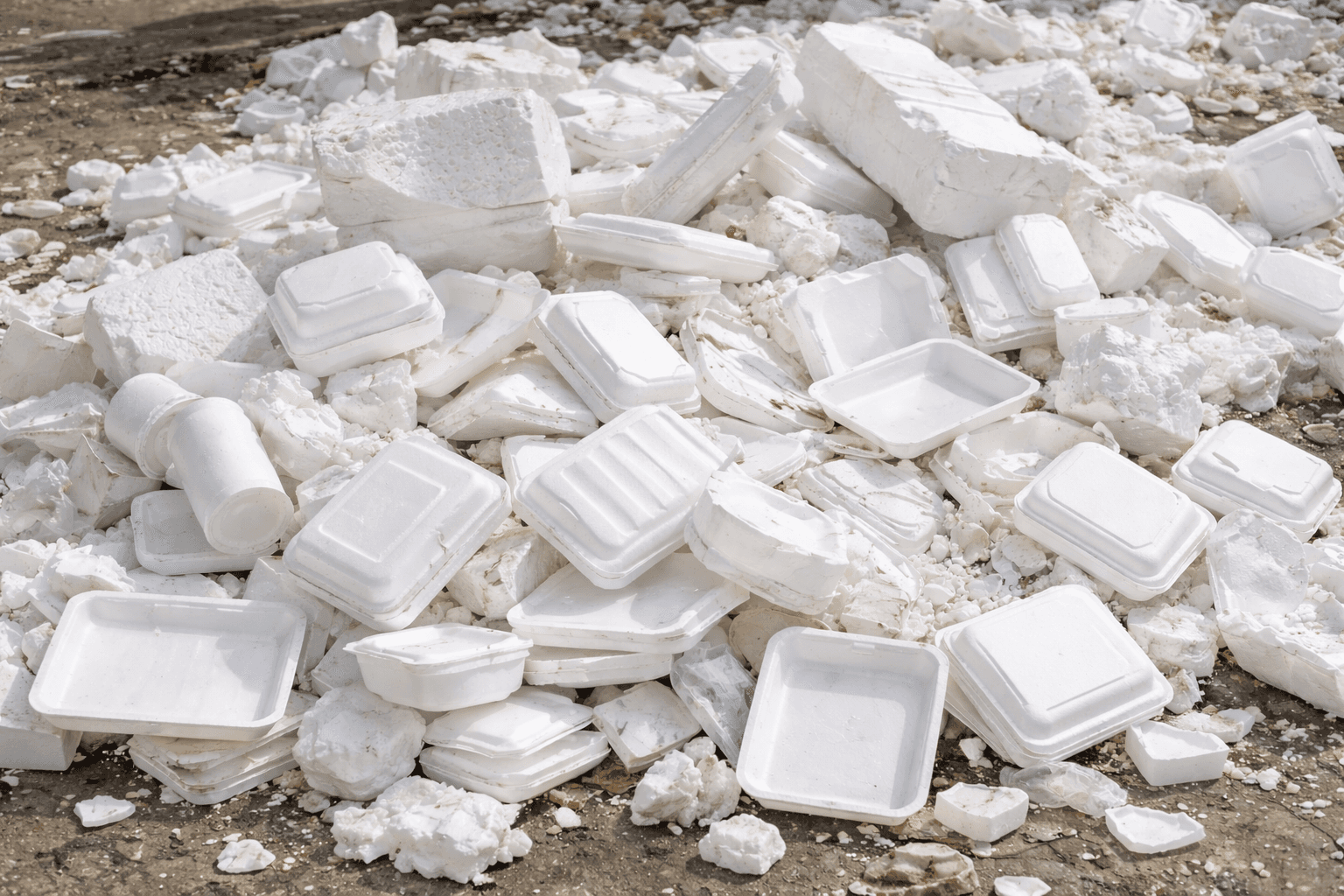
If you've ever wondered is styrofoam recyclable, you're not alone. This question comes up constantly for Chicago residents and businesses trying to dispose of foam packaging, takeout containers, and protective shipping materials responsibly. The short answer is: it depends on the type of foam and where you're trying to recycle it.
The foam most people call Styrofoam is expanded polystyrene (EPS), and it is one of the most misunderstood materials in the recycling world — starting with the name, which we untangle below. While it's technically recyclable, most curbside programs in Chicago don't accept it. But that doesn't mean your only option is the landfill. In this guide, we'll break down exactly what types of foam can be recycled, where to take them in the Chicago area, and how GreenWay Recycles can help your business manage polystyrene waste.
What Is Styrofoam, and Why Is It So Hard to Recycle?
"Styrofoam" is a trademarked brand name, and two things about it are widely got wrong. It has belonged to DuPont, not Dow Chemical, since the two companies separated in 2019. And the product it actually names is extruded polystyrene (XPS) rigid board insulation — DuPont markets Styrofoam Brand XPS explicitly against EPS, on the grounds that it absorbs less water and holds its R-value better when wet. The everyday foam people mean when they say "styrofoam" is expanded polystyrene, which is a different material. EPS is what this guide is about, and you'll find it in:
Disposable coffee cups and takeout containers
Protective packaging for electronics and appliances
Foam coolers and ice chests
Egg cartons (though many are now made from recycled paper)
Packing peanuts
Insulation materials
The problem with polystyrene recycling is that foam is about 95% air. That makes it bulky, lightweight, and expensive to transport. It's also easily contaminated by food residue, which makes it unsuitable for most recycling streams. These factors mean that even though styrofoam can be recycled from a technical standpoint, the economics often don't work out for municipal programs.
Can Styrofoam Be Recycled in Chicago's Curbside Program?
No. The City of Chicago's Blue Cart recycling program does not accept any type of foam, including:
Foam cups, plates, or takeout containers
Foam packing materials
Foam egg cartons
Packing peanuts
Putting styrofoam in your blue cart contaminates the recycling stream and can cause entire loads to be rejected and sent to the landfill. This is one of the most common recycling mistakes we see in Chicago.
If you're a resident relying on curbside pickup, your best option is to reuse foam packaging when possible or dispose of it in your regular trash. But if you're a business generating larger volumes of clean EPS, there are better solutions.
Where to Recycle Styrofoam in Chicago
While curbside programs won't take foam, several specialty recycling options exist in the Chicago area:
Drop-Off Locations for Clean Foam
Some regional recycling centers accept clean, uncontaminated expanded polystyrene. This typically means:
Block foam used in packaging (the kind that protects TVs and appliances)
Clean foam coolers
Foam insulation
Clean foam can be densified (compressed to remove the air), melted down, and turned into new products like picture frames, crown molding, or even new foam packaging.
What About Biodegradable or Compostable Foam?
You may have seen products labeled as "biodegradable foam" or containers that look like styrofoam but claim to be compostable. These are typically made from:
Polylactic acid (PLA), derived from corn or other plant starches
Mushroom-based packaging
Other bio-based materials
While these alternatives sound promising, they come with their own complications:
PLA requires industrial composting. It won't break down in a backyard compost pile or in a landfill. Chicago's yard waste program does not accept PLA products.
They're often contaminated with conventional plastics. Many "compostable" products are only partially bio-based.
They can contaminate plastic recycling streams. PLA looks similar to PET plastic but isn't compatible with standard recycling processes.
If you're a business considering these alternatives, make sure you have a clear disposal plan in place. We can help you evaluate whether bio-based packaging makes sense for your operation and how to handle it at end-of-life.
Best Practices for Handling Foam Waste
Whether you're a homeowner or a business owner, here's how to handle styrofoam responsibly:
For Residents:
Reuse it. Foam peanuts and packaging materials can be reused for shipping or stored for future moves.
Check with local shipping stores. Some UPS Store and FedEx locations accept clean packing peanuts for reuse.
Avoid buying it when possible. Choose products with paper-based or recyclable plastic packaging when you have the option.
Dispose of contaminated foam in the trash. Don't put it in your blue cart.
For Businesses:
Separate clean foam from contaminated materials. Food service foam must be handled differently than packaging foam.
Consider a foam densifier. If you generate large volumes, on-site densification can make recycling economically viable.
Work with a commercial recycler. GreenWay can assess your waste stream and design a program that diverts foam from the landfill.
Track your waste data. Understanding how much foam you generate helps you make better purchasing and disposal decisions.
How GreenWay Recycles Handles Polystyrene Waste
At GreenWay, we understand that styrofoam recycling isn't one-size-fits-all. We work with businesses across the Chicago area to develop customized solutions based on:
Volume: How much foam you generate monthly
Type: Whether it's clean packaging foam or food-contaminated material
Space: What kind of storage and collection setup works for your facility
Goals: Whether you're focused on cost savings, sustainability reporting, or both
For businesses generating significant volumes of clean EPS, we can arrange specialized collection and processing. For operations with mixed waste streams, we'll help you optimize your entire waste management program to maximize diversion and minimize costs.
The Bottom Line on Styrofoam Recycling in Chicago
So, is styrofoam recyclable? Yes, but not through Chicago's curbside program, and not all types are equally recyclable. Clean, uncontaminated expanded polystyrene can be processed and turned into new products, but it requires specialized handling.
For most Chicago residents, the reality is that small amounts of foam will end up in the trash. But for businesses, there are viable recycling pathways that can keep thousands of pounds of polystyrene out of landfills each year.
The key is understanding what you're dealing with, keeping materials clean and separated, and working with a knowledgeable recycling partner who can connect you with the right processing facilities.
Ready to Improve Your Foam Waste Management?
If your Chicago-area business generates foam packaging waste and you're tired of sending it all to the landfill, let's talk. GreenWay Recycles specializes in finding recycling solutions for hard-to-handle materials like polystyrene.
Contact us today for a free waste assessment. We'll evaluate your current disposal methods, identify opportunities for improvement, and design a program that works for your operation. Whether you're looking to boost your sustainability credentials, reduce disposal costs, or both, we're here to help.
Call GreenWay Recycles at (773) 522-0025 or schedule your consultation directly on our site.